
Learn from Retail's Biggest Companies
These industry insights highlight real-world concepts in retail. Learn from some of retail’s biggest companies and explore how our NRF Foundation Retail Training courses and curriculum connect to the everyday work of retail careers.
Check out Industry Insights from these retailers




Loyalty programs are designed to recognize and reward customers who choose to return time and again. By understanding shoppers’ preferences, purchase behaviors, and interests, retailers can create more meaningful, personalized experiences. These insights help brands tailor offerings, deliver targeted promotions, and build stronger connections, turning everyday transactions into lasting relationships and encouraging continued engagement with the brand.
How Target Circle Engages Shoppers
At Target, their free-to-join loyalty program, Target Circle offers personalized savings, exclusive deals, and tailored benefits based on customers’ shopping preferences. Since its relaunch in 2024, Target Circle has grown to become one of the leading loyalty programs in the country, with 13 million new members joining in a year.
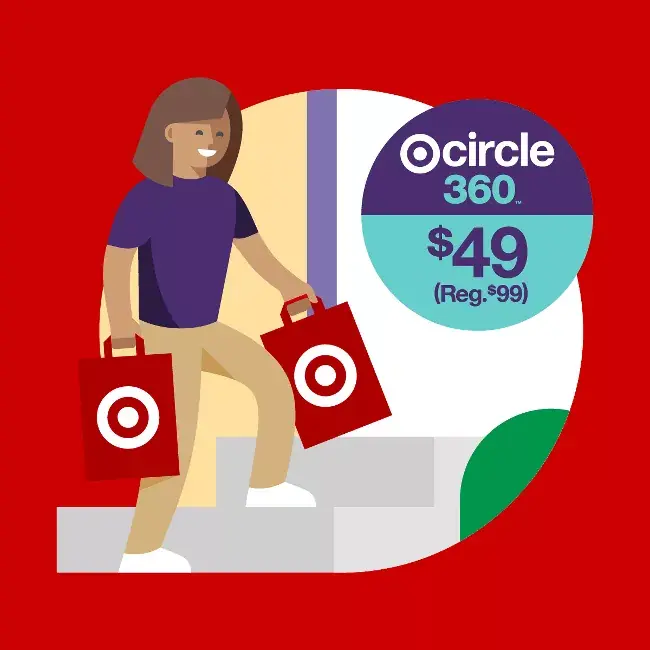
Members can access additional perks through the Target Circle Card, which provides an extra 5% discount on purchases, and Target Circle 360, an annual subscription that includes unlimited same-day delivery from Target and over 100 other retailers. These tiers encourage deeper engagement, with active members shopping more frequently and spending significantly more than nonmembers.
Target Circle also leverages data insights to personalize shopping experiences, improve marketing strategies, and refine operations. New additions to the program include monthly gifts for Target Circle 360 members, early access to exclusive deals, and a soon-to-launch partnership with Marriott Bonvoy to enhance travel convenience.
By continually evolving its offerings, Target Circle not only boosts customer loyalty but also strengthens the brand’s market presence, making shopping more convenient, rewarding, and seamlessly integrated across digital and physical platforms.
Learn more about retail loyalty programs in our NRF Foundation Retail Training Customer Service & Sales courses and curriculum.

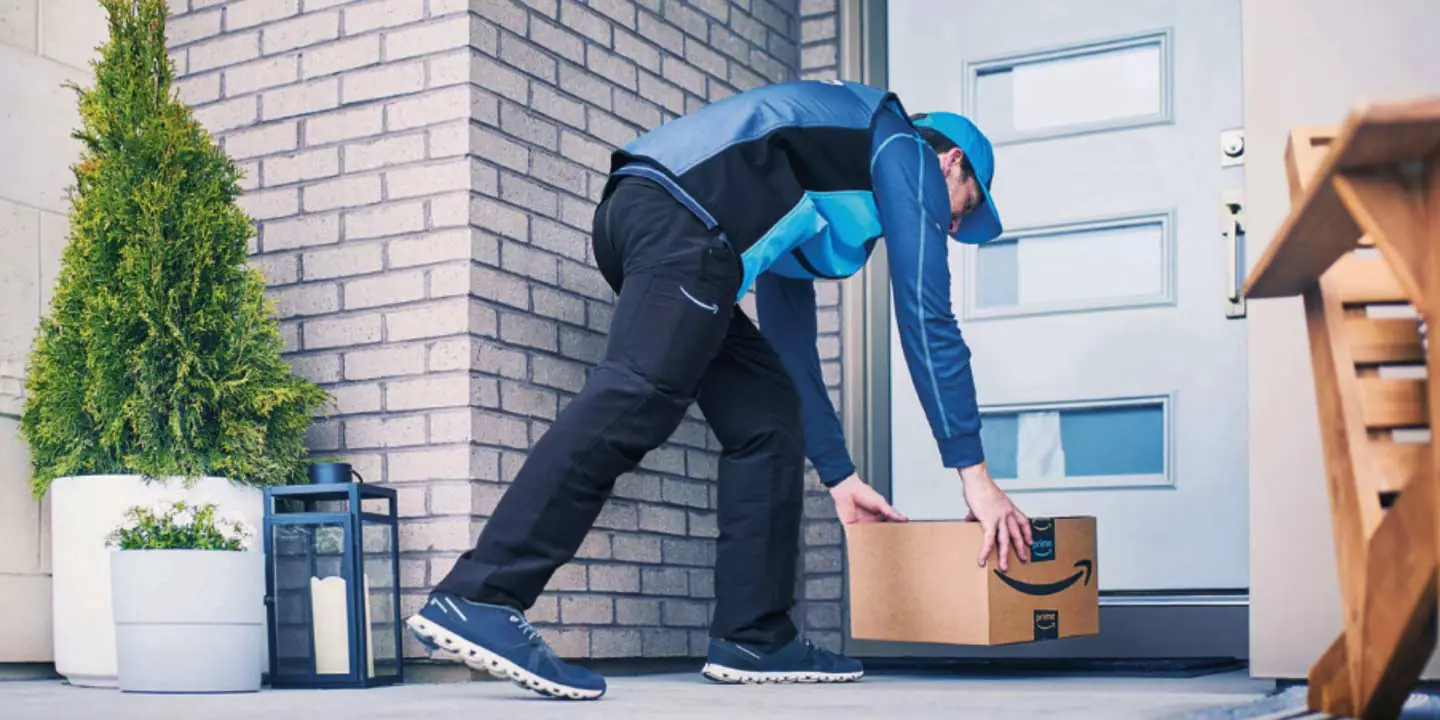
Creating safe, supportive workplaces starts with a shared commitment from every member of the team. Leading retailers prioritize safety as a core part of their operation continuously improving processes, investing in new technologies, and strengthening programs that protect employees. Across distribution centers, stores, and supply chains, dedicated health and safety professionals help drive these efforts forward, championing innovations and best practices that create environments where employees can do their best work with confidence.
How Amazon Puts Safety First
At Amazon, safety is integral to everything they do-every day, in every country, across their business. They know that to have a successful safety culture, everyone must embrace that safety starts with them. As a business, they are continuously enhancing processes, programs, and technologies to create safer operations for employees.
Throughout their warehouses and in their logistics network, over 9,000 health and safety professionals across the globe champion innovations, programs, and initiatives.
)
Amazon is continually introducing new technologies and improvements in safety equipment to decrease the risk of injury. These innovations can help raise the bar on safety across the industry. In the warehousing industry, one of the most important aspects of improving safety outcomes is reducing musculoskeletal disorders (MSDs)-such as strains, sprains, and lower back injuries-which are the leading cause of workplace injury across the transportation and warehousing industries. At Amazon, on site WHS leaders partner with certified ergonomic engineers, robotic engineers, and external partners to pilot and implement innovations to reduce MSDs.
Another way Amazon tackles risk is their heat and cold mitigation practices, which meet or exceed state requirements and federal guidance, and in many ways, go above and beyond to set more stringent standards for our sites. All of Amazon's North American fulfillment centers are climate-controlled workplaces. Industrial fans provide cooling comfort for work areas, and they have air-conditioned crew vans at all Amazon Air hubs. Amazon is continuously evaluating new ways to support delivery partners during fluctuating weather conditions such as heat waves. For example, every vehicle bearing the Amazon brand is air conditioned-and if the air conditioning isn't working on a vehicle, that vehicle is taken out of service immediately.
)
As in many warehouse settings, Amazon employees use powered industrial trucks to move pallets and other large items. The goal is to reduce serious incidents involving powered industrial trucks to zero. By partnering with manufacturers to develop technology to improve safety, they are implementing collision-avoidance technology at various sites, which uses light detection and ranging, as well as a real-time locating system, to sense and avoid collisions and improve workplace safety.
As recipients of the National Safety Council's Green Cross Award, Amazon has been recognized for their innovative solutions to reduce injuries caused by powered industrial trucks.
Learn more about retail loyalty programs in our NRF Foundation Retail Training Supply Chain, Inventory & Logistics courses and curriculum.
)
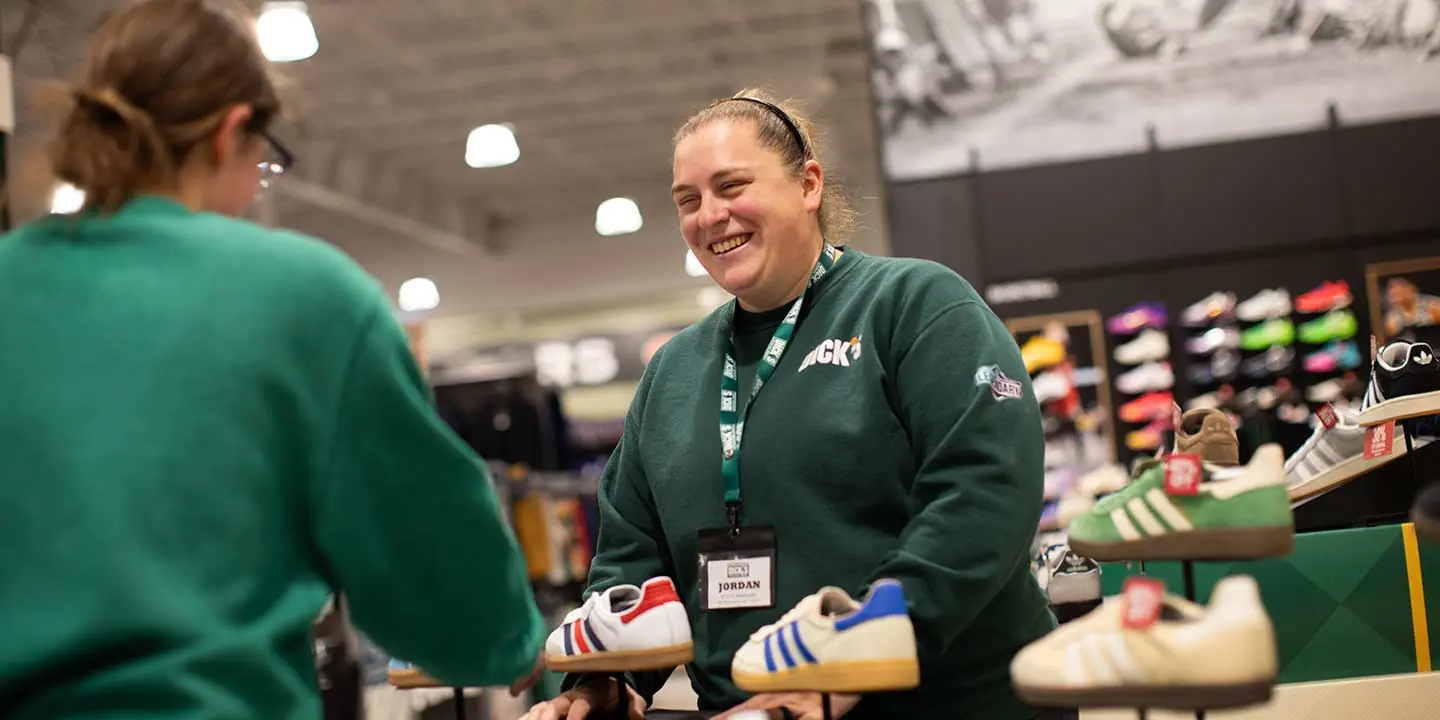
Today’s retailers are focused on building meaningful connections with customers through engaging, experience-driven strategies. Rather than focusing solely on products, experiential retail brings brand stories to life, both online and in-store. From immersive digital tools like augmented reality and virtual try-ons to in-person events and classes, these experiences create opportunities for deeper engagement, helping customers connect with brands in more memorable and impactful ways.
How DICK’S Sporting Goods Provides Immersive Shopping Experiences
DICK'S Sporting Goods has fully embraced the strategy. They've created DICK'S House of Sport to provide a range of in-store experiences, where customers can try products out while practicing their skills. The goal is to provide memorable interactive and immersive shopping experiences that allow customers to build a relationship with the brand, and have some fun along the way.
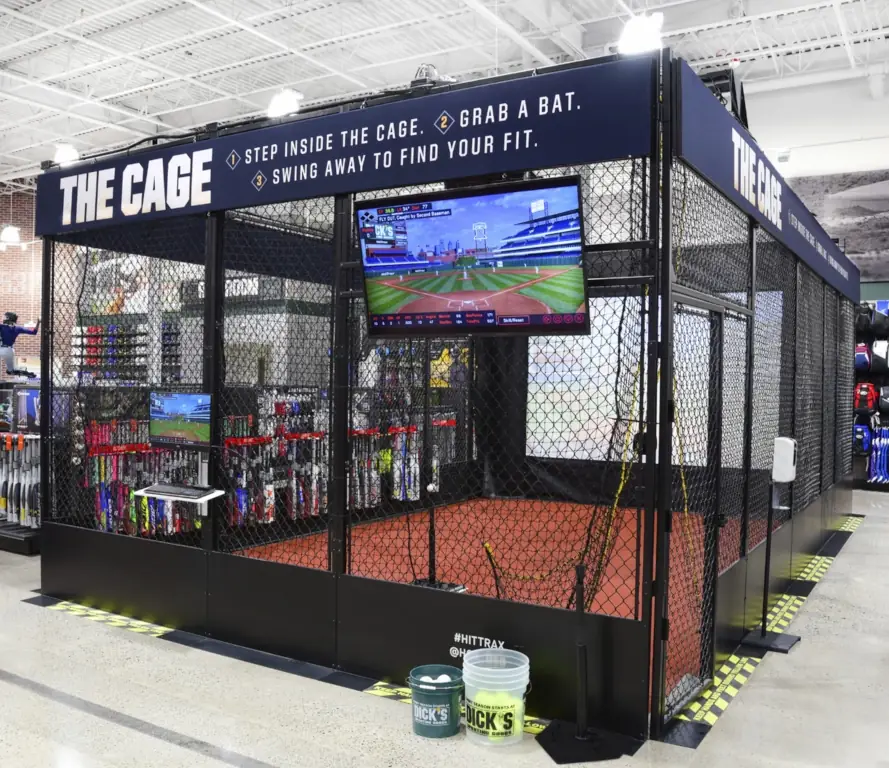
In DICK'S House of Sport, customers can rock climb on a tall climbing wall within the store, play golf with a golf simulator, and even test out various sports cages for baseball, field hockey, ice hockey, lacrosse and soccer—now that's an unforgettable experience!

Learn more about retail loyalty programs in our NRF Foundation Retail Training Retail Industry Fundamentals courses and curriculum.
)
)
Accurate inventory management is essential to keeping retail operations running efficiently. In supply chain facilities, having the right products in the right place at the right time helps teams work more effectively and ensures orders are fulfilled correctly. When inventory data is well managed, it supports smoother workflows, improves team productivity, and ultimately delivers better experiences for customers.
How BJ’s Wholesale Club Saves Times and Improves Inventory Accuracy
BJ’s Wholesale Club is improving how it manages inventory by working with Simbe and using Tally, a smart robot that scans shelves on its own. Tally moves through the store several times a day, using advanced technology to check inventory levels, spot missing items, and make sure products are in the right place and priced correctly.
)
This real-time information has changed how BJ’s handles inventory. Instead of relying solely on manual cycle counts, team members now get helpful reports that show where there might be problems—saving time and improving accuracy. Tally also helps find where products were last seen, making it easier to check inventory, fill online orders, and avoid mistakes.
The results are impressive: Simbe customers have reduced out-of-stock items by 60% and pricing errors by 90%. With help from Tally, team members spend less time searching for products and more time helping customers—making the store more efficient and improving the shopping experience.
Learn more about retail loyalty programs in our NRF Foundation Retail Training Supply Chain, Inventory & Logistics courses and curriculum.
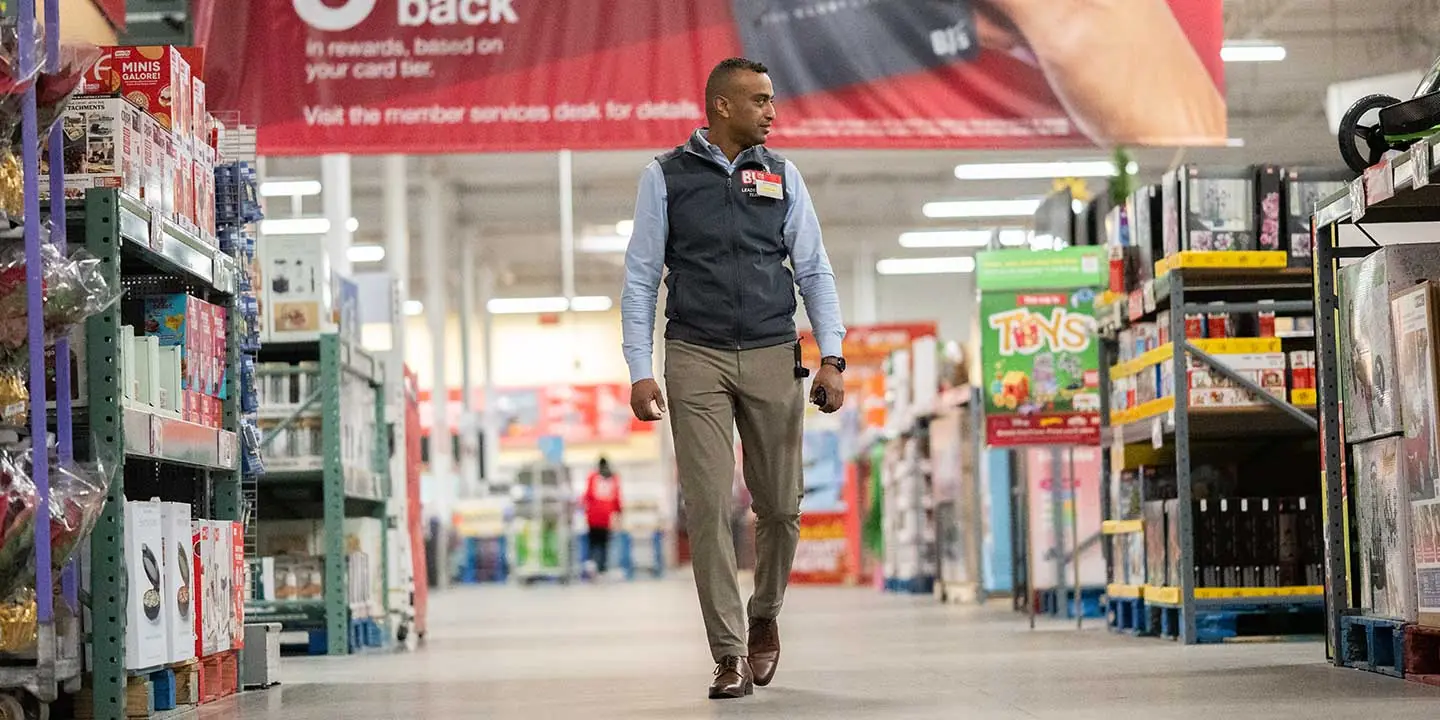
Retailers are embracing innovative technologies to improve operations and enhance the customer experience. From streamlining processes to supporting store teams, these tools are transforming how work gets done. In-store robots are one example, helping customers access product information, scanning shelves to maintain accuracy, and supporting timely restocking. As technology continues to evolve, it opens new opportunities to create more efficient, engaging shopping environments.
How BJ’s Wholesale Club Leads in Technology and Innovation
BJ's Wholesale Club is using this kind of technology through a partnership with Simbe . They've introduced Tally, a smart inventory robot that autonomously moves through the store on its own several times a day. Tally uses advanced cameras and software to check if products are in stock, priced correctly, and placed properly on shelves.
This real-time information helps BJ's team members restock faster, find products more easily, and spend more time helping customers. Tally also improves how online orders are filled by making it easier to find items quickly. The result is a better shopping experience for customers and a more efficient workday for employees.
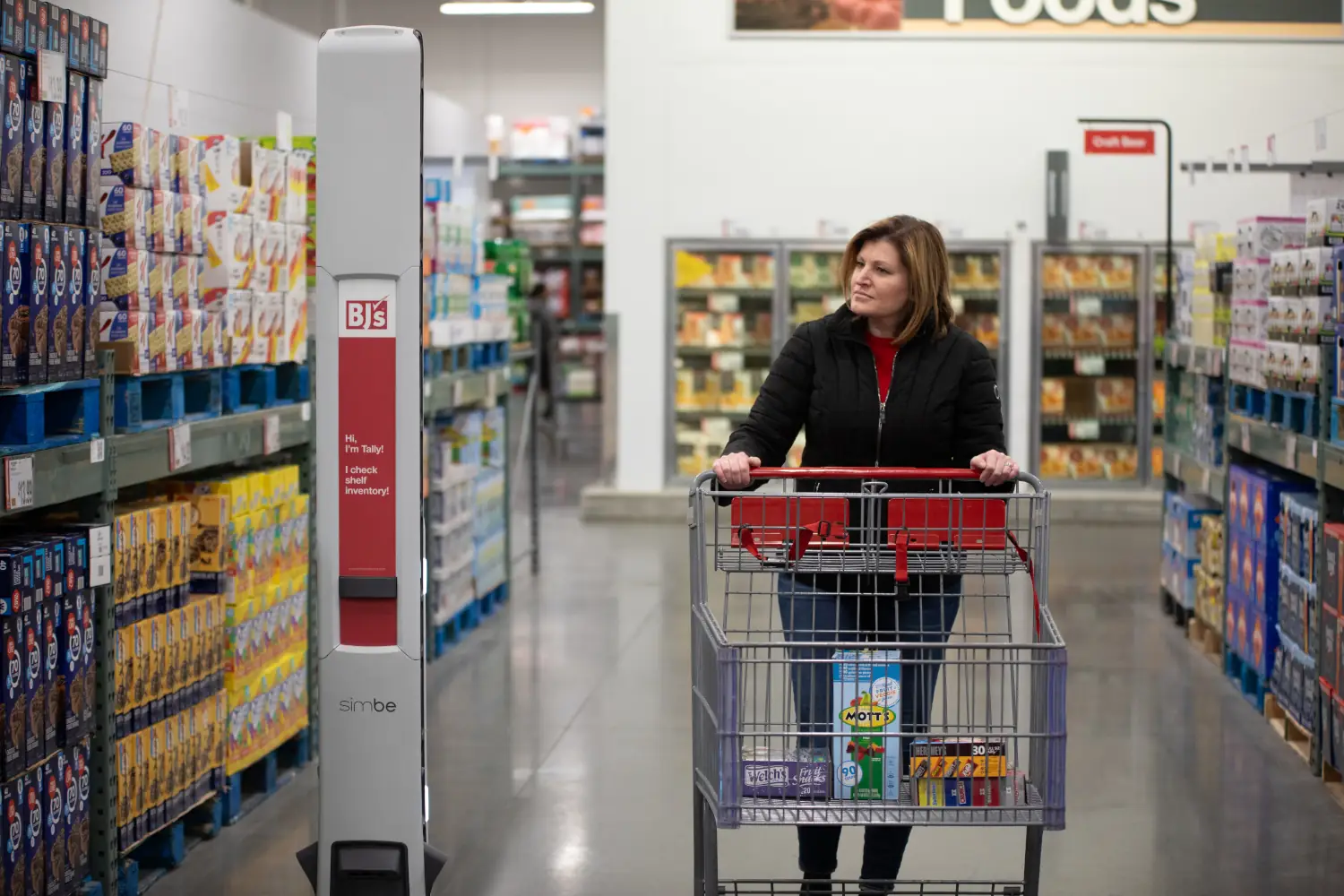
The impact is impressive: 90% of BJ's team members say Tally makes their jobs easier, 85% believe it helps increase sales and customer loyalty, and 75% say it gives them more time to focus on service. The technology has also helped Simbe customers reduce out-of-stock items by 60% and pricing mistakes by 90%.
BJ's focus on innovation is also opening up new career paths in robotics and automation, from data analysts to directors. By embracing technology, BJ's is helping shape the future of retail — one aisle at a time.
Learn more about retail loyalty programs in our NRF Foundation Retail Training Customer Service & Sales courses and curriculum.
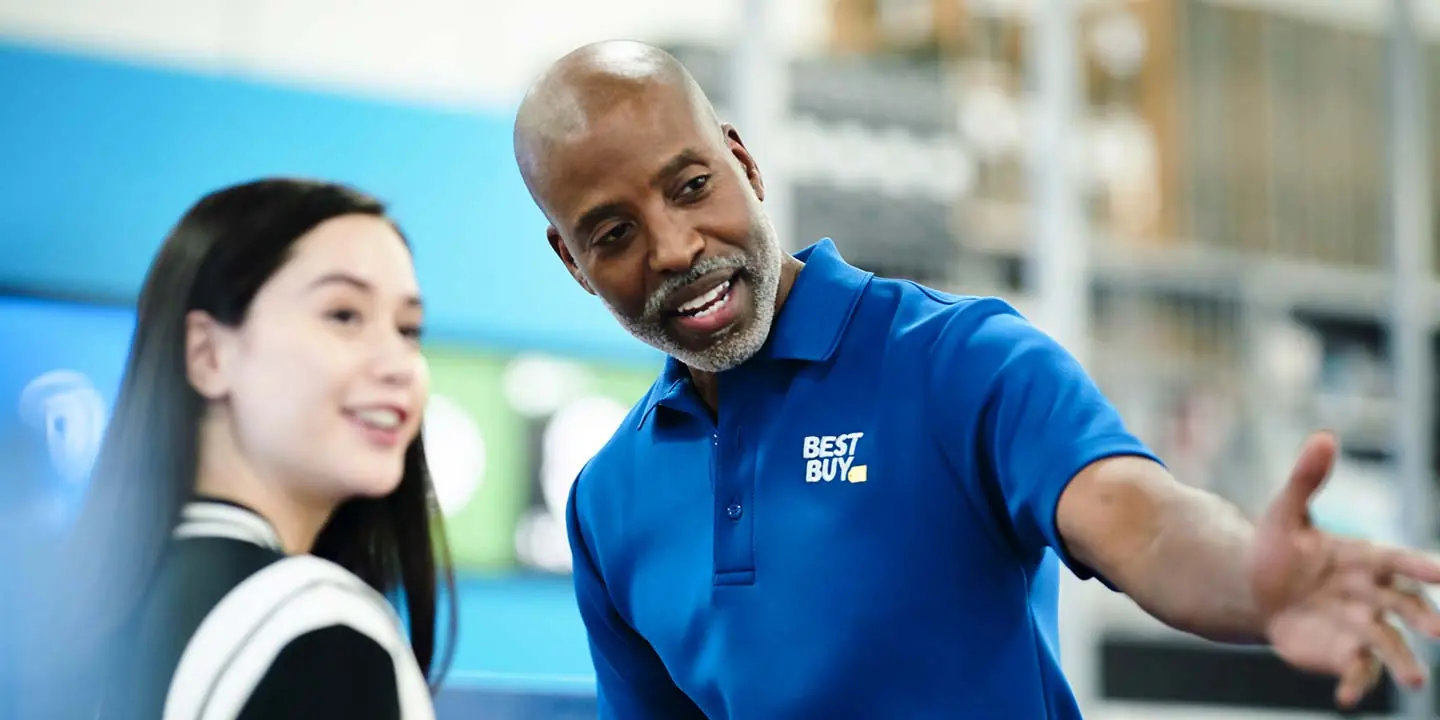
Retailers are increasingly prioritizing sustainability in the industry, as businesses recognize their role in protecting the environment and supporting communities. From eliminating single-use materials to setting ambitious waste reduction goals, these efforts are helping drive meaningful change. Distribution centers and reverse logistics play an important role, helping drive meaningful change.
How Best Buy Is Working to Reach Zero-Waste
At Best Buy, sustainability isn’t just a trend—it’s a top priority. As one of the largest electronics retailers in the U.S., Best Buy is leading the way by committing to a TRUE (Total Resource Use and Efficiency) Zero Waste supply chain.
TRUE Zero Waste is a certification that helps businesses make sure nothing goes to waste. It encourages companies to reuse, recycle, compost, or recover all materials instead of sending them to landfills or incinerators. To earn this certification, a facility must keep at least 90% of its solid, non-hazardous waste out of landfills and follow environmental rules while reporting its progress every year.
)
In addition to environmental benefits, Best Buy can also associate cost savings with its sustainability efforts, such as reduced landfill service fees and rebates for recycled materials.
Best Buy has set a bold goal: to achieve a zero-waste supply chain by 2025. So far, 28 out of 29 of its supply chain facilities have earned TRUE certification—showing how serious the company is about sustainability.
Best Buy focuses on recycling or reusing materials like:
Cardboard
EPS (Styrofoam)
Plastic film
Single-stream recyclables (like cans and bottles)
E-waste (electronics reuse and recycling)
Organics (like food waste)
Reusable shipping containers
)
Employees play a vital role in achieving zero waste goals. Best Buy encourages team members to:
Join Green Teams to promote awareness and recognize sustainable behaviors.
Follow the “Reduce, Reuse, Recycle” mindset—using landfill only as a last resort.
Use tools like cardboard balers instead of trash bins.
Print only when necessary and use double-sided printing.
Recycle in breakrooms and use organics bins where available.
Advocate for clear signage and accessible recycling stations.
Organize local recycling events—even small ones just for employees.
By embedding sustainability into its operations and culture, Best Buy is proving that retail can be both innovative and environmentally responsible.
Learn more about retail loyalty programs in our NRF Foundation Retail Training Business of Retail courses and curriculum.
)
Retailers have a unique opportunity to make an impact in the communities they serve. Through initiatives focused on sustainability, access, and equity, companies are working to build stronger, more inclusive systems.
How Kroger Delivers 3 Billion Meals
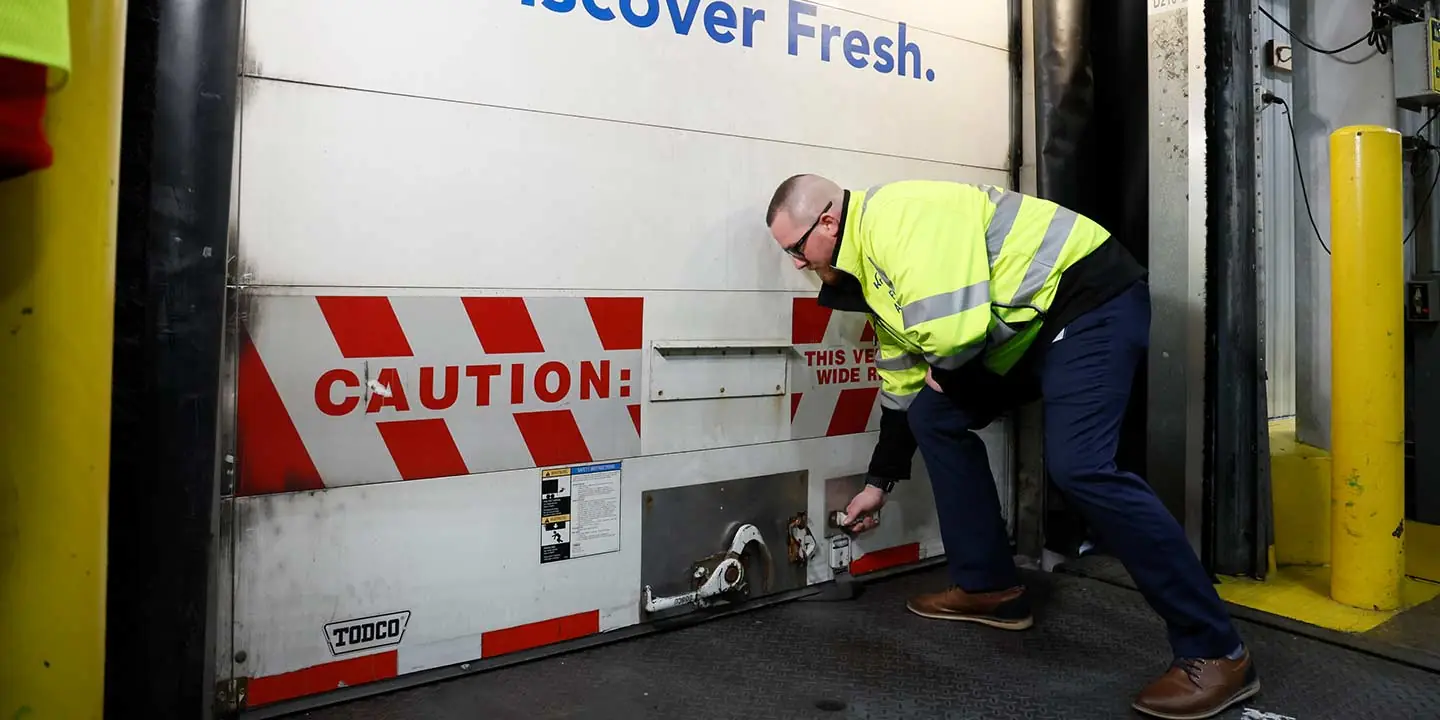
Kroger stands out as a leading example of how retailers can drive positive change in the communities they serve. Through its Zero Hunger | Zero Waste Impact Plan, Kroger is building a more resilient and equitable food system. This initiative focuses on sustainability, food access, and affordability, ensuring that future generations benefit from a healthier and more inclusive food ecosystem.
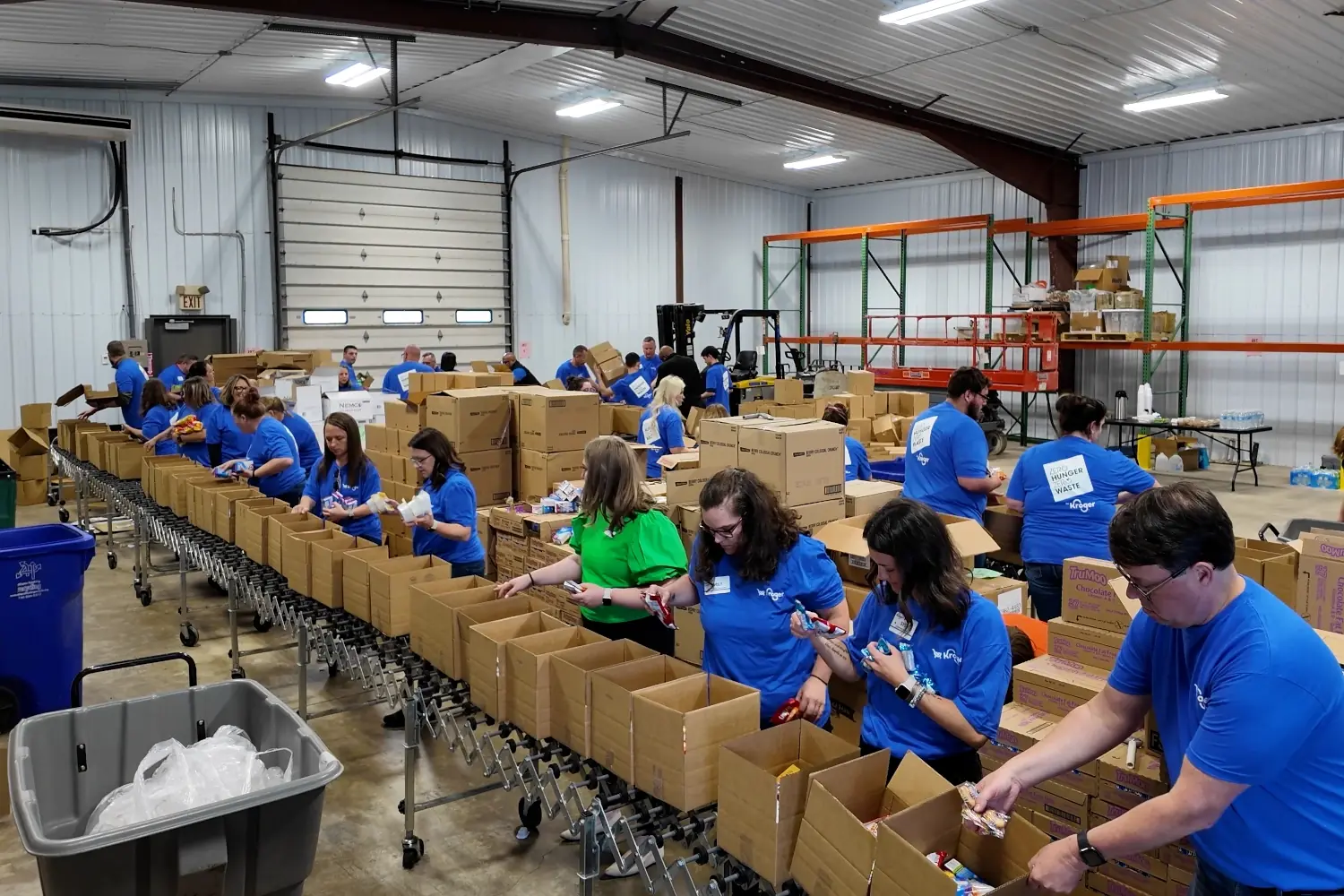
Since 2017, Kroger has recovered surplus food from its stores, helping deliver over 3 billion meals nationwide. By improving ordering and freshness practices, the company reduces waste and ensures food reaches those who need it most.
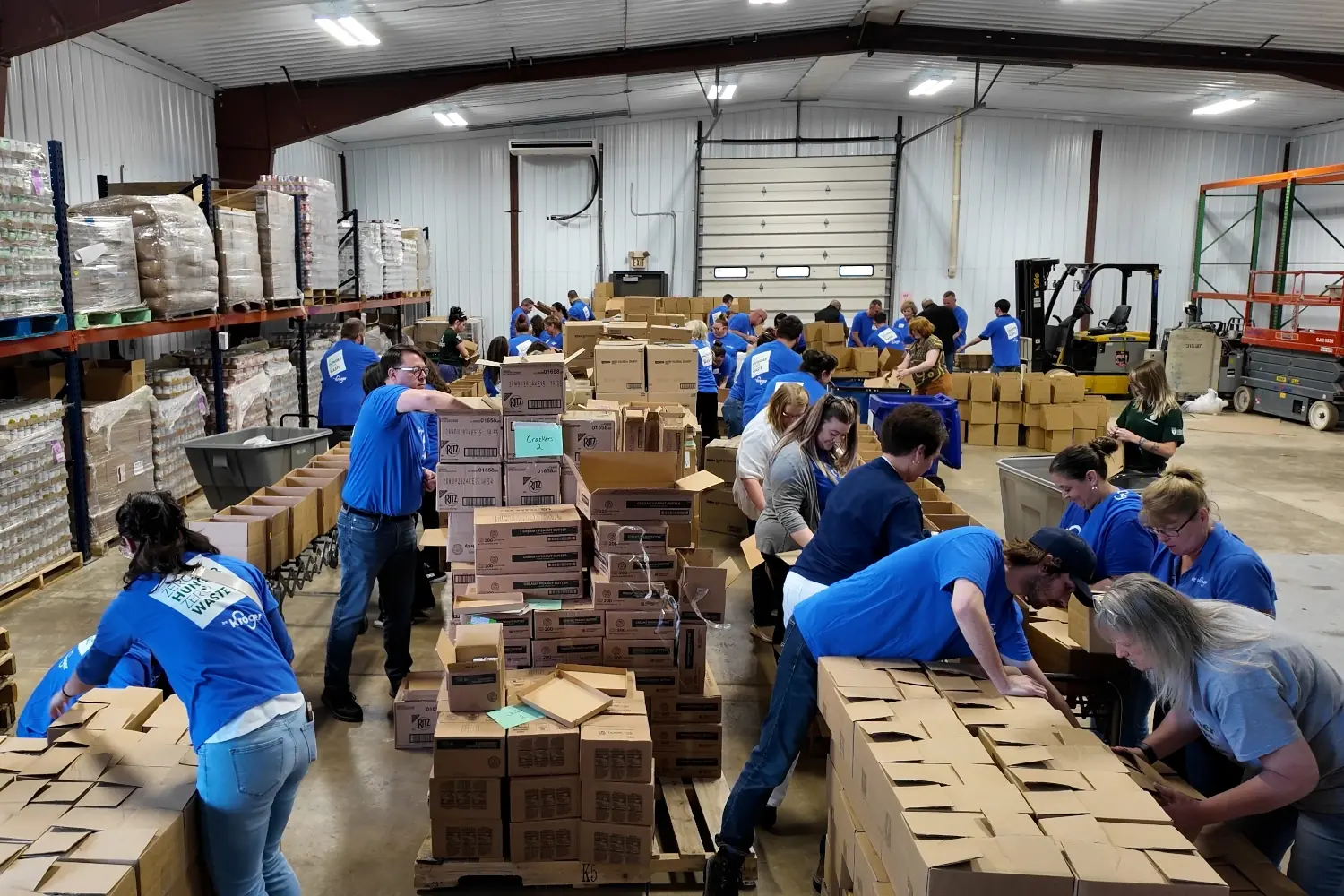
Collaboration is central to Kroger’s approach. The company partners with local and national organizations to advance its goals, supported by charitable giving, volunteerism, and community outreach.
Another standout initiative is the Kroger Community Rewards program. Customers can support local nonprofits simply by shopping—selecting an organization in their Kroger Plus account automatically directs donations based on purchases.
Learn more about retail loyalty programs in our NRF Foundation Retail Training Retail Industry Fundamentals courses and curriculum.
)


